
Many patients have questions about their dental care but are unsure where to find clear, trustworthy answers. Whether you are wondering how often should you see a dentist or what to expect during a specific procedure, navigating oral health can sometimes feel overwhelming. You deserve to fully understand your care.
The team at Utah Dental Center in St. George frequently answers these questions during patient visits. We believe that an informed patient is a confident, relaxed patient. To help you feel more comfortable about your smile and your next visit, we have created this helpful guide answering 20 of the most common dental questions patients ask us every day.
Common Dental Questions Answered by a St. George Dentist
1. How Often Should You See a Dentist?
The standard recommendation for most patients is to visit the dentist every six months for a routine checkup and cleaning. These biannual visits allow your dental team to remove hardened plaque and catch minor issues before they become serious problems.
However, some patients may need more frequent visits. If you have a history of gum disease, are currently undergoing orthodontic treatment, or have a medical condition such as diabetes, your dentist might suggest coming in every 3 to 4 months. Staying on top of your general dentistry appointments is the easiest way to maintain a healthy smile.
2. Is a Root Canal Painful?
When patients hear they need this procedure, their first thought is usually, “Is a root canal painful?” The honest truth is that modern root canals are designed to relieve pain, not cause it. The intense pain associated with a root canal actually comes from the infected tooth before the treatment even begins.
During the procedure, your dentist uses highly effective local anesthesia to completely numb the tooth and surrounding area. Most patients report that the experience feels very similar to getting a standard dental filling, leaving them free from the severe toothache they arrived with. Learn more about root canal treatments on our page.
3. What Is a Dental Emergency?
Knowing what is a dental emergency can save your tooth and prevent a trip to the hospital. A true dental emergency involves situations that require immediate professional care to stop bleeding, alleviate severe pain, or save a damaged tooth.
Common examples include a knocked-out permanent tooth, a severe toothache that keeps you awake, a painful dental abscess, or sudden swelling in your face or jaw. If you experience any of these symptoms, seek emergency dental care immediately to prevent further complications.
4. How Long Do Dental Implants Last?
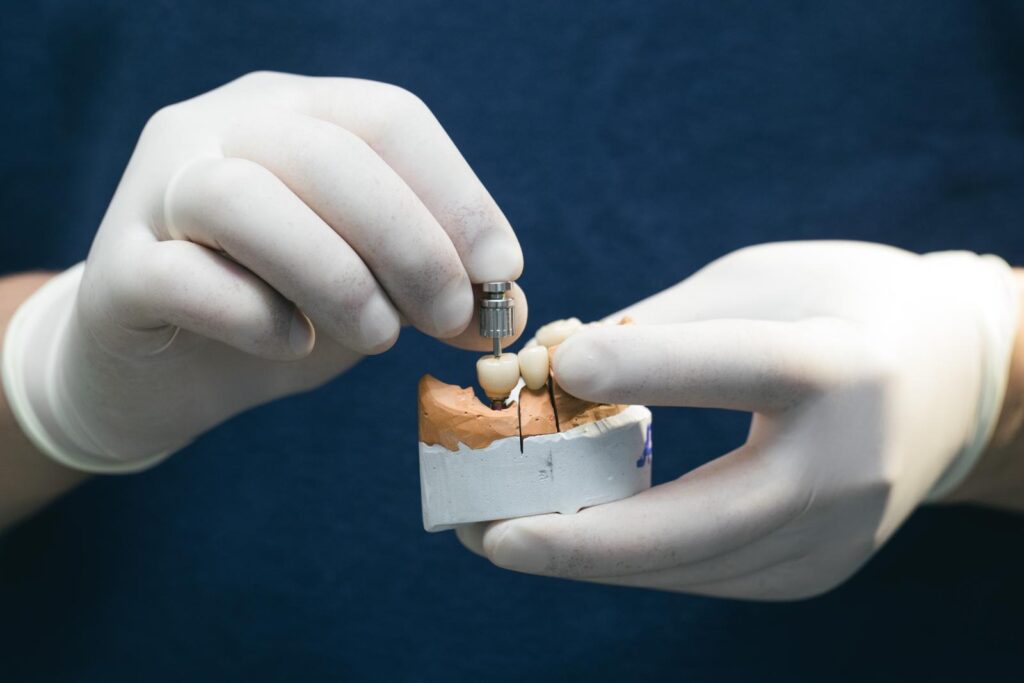
Patients who invest in their smiles frequently ask how long dental implants last. Because the titanium implant post fuses directly with your natural jawbone, it is designed to be a permanent, lifelong solution for missing teeth.
While the surgical post can last a lifetime, the crown at the top experiences daily wear and tear. You may need to replace the crown every 10 to 15 years. Maintaining excellent oral hygiene and attending regular checkups will help ensure your dental implants remain secure and healthy for decades.
5. What Is the Difference Between a Deep Cleaning vs Regular Cleaning?
Understanding deep cleaning vs regular cleaning is important for your gum health. A regular cleaning focuses on the visible portions of your teeth above the gumline. It removes daily plaque and tartar buildup to prevent cavities and keep your smile bright.
Deep cleanings, on the other hand, also known as scaling and root planing, are a specific treatment for gum disease. During this procedure, the hygienist cleans below the gumline to remove bacteria from the pockets around the tooth roots, then smooths the roots to help the gums reattach. Your dentist can help you decide which type of cleaning is right for you.
6. Is Professional Teeth Whitening Safe?
Yes, professional teeth whitening is entirely safe when supervised by a qualified dentist. Unlike over-the-counter kits, which can cause unpredictable sensitivity or gum damage, professional treatments use custom-fitted trays and carefully calibrated bleaching gels.
Your dentist will first evaluate your enamel health to ensure you are a good candidate. They monitor the process to protect your gums and manage any temporary sensitivity, allowing you to enjoy stunning results safely. Learn more about our safe, effective teeth whitening services.
7. What Causes Tooth Sensitivity?
Tooth sensitivity usually occurs when the protective outer layer of your tooth, called enamel, wears down. This exposes the underlying dentin, which contains microscopic tubules that lead directly to the tooth’s nerve. When hot, cold, or sweet foods touch this area, it triggers a sharp pain.
Common causes of enamel wear include brushing too aggressively, consuming highly acidic foods, or grinding your teeth at night. Sensitivity can also be a symptom of gum recession, a new cavity, or a cracked tooth. If your teeth are suddenly sensitive, a dental exam can pinpoint the exact cause.
8. What Should I Do If I Break a Tooth?
If you break or chip a tooth, the first step is to stay calm and rinse your mouth with warm water to clean the area. If there is bleeding, apply gentle pressure with a clean piece of gauze. Use a cold compress on the outside of your cheek to minimize any swelling.
Contact your dentist immediately. Even if the broken tooth does not hurt, the inner layers might be exposed to bacteria, increasing the risk of an infection. A dentist can quickly repair the tooth with dental bonding or a crown to restore its strength.
9. How Can I Prevent Cavities?
Preventing cavities requires a combination of good daily habits and professional care. You should brush your teeth twice a day using fluoride toothpaste and a soft-bristle brush. Flossing once a day is equally important, as it removes trapped food and bacteria from between your teeth where a brush cannot reach.
Your diet also plays a massive role. Limit sugary snacks and acidic beverages, which feed the bacteria that cause tooth decay. Finally, never skip your routine dental checkups, as professional cleanings remove stubborn tartar that can lead to cavities.
10. Are Dental X-Rays Safe?
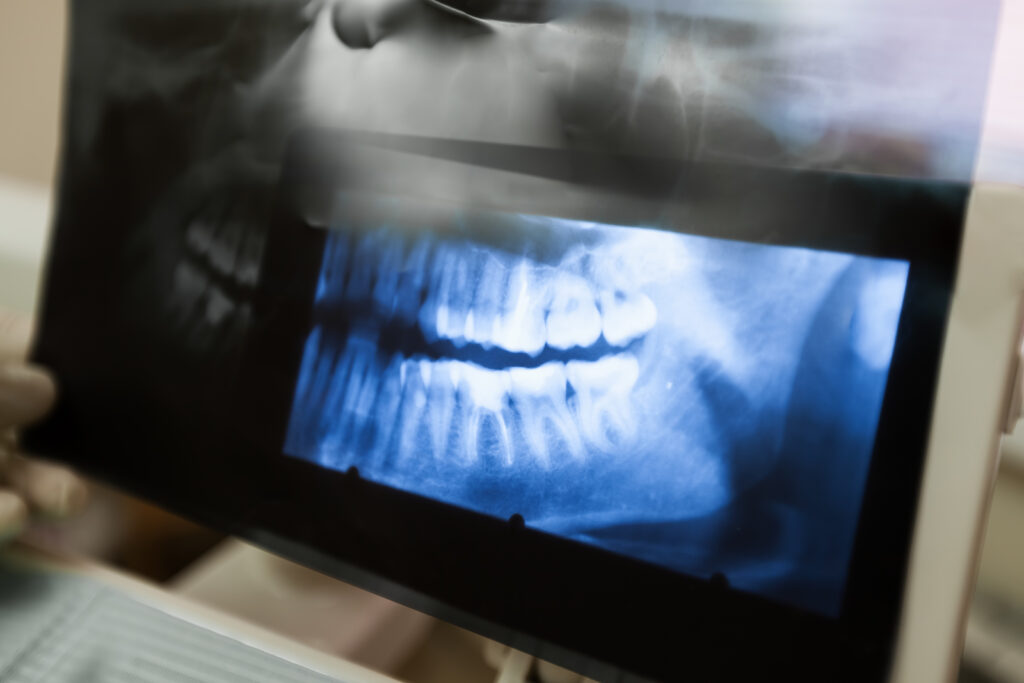
Dental X-rays are incredibly safe. Modern dental offices use digital X-ray technology, which emits up to 90% less radiation than traditional film X-rays. In fact, the amount of radiation you are exposed to during a routine set of dental X-rays is less than what you receive from a short airplane flight.
Dentists also use lead aprons and thyroid collars to provide an extra layer of protection. X-rays are a vital diagnostic tool that allows your dentist to see cavities between teeth, monitor bone health, and detect hidden infections safely.
11. When Should Children First Visit the Dentist?
The American Dental Association recommends that a child have their first dental visit shortly after their first tooth erupts, and no later than their first birthday. Early visits help establish a positive, fear-free relationship with the dentist.
These initial appointments are usually quick and gentle. The dentist will check the child’s jaw development, ensure the teeth are coming in correctly, and provide parents with valuable advice on pediatric oral hygiene and cavity prevention.
12. Do Dental Cleanings Hurt?
For the vast majority of patients, routine dental cleanings are completely painless. You may feel slight pressure or a mild scraping sensation as the hygienist removes tartar from your teeth, but it should not cause discomfort.
If you have sensitive teeth or inflamed gums, let your hygienist know before the cleaning begins. Dental professionals are trained to use a gentle touch and can offer numbing gels or adjust their techniques to ensure you remain totally comfortable throughout your visit.
13. What Happens During a Dental Exam?
A comprehensive dental exam is a thorough assessment of your overall oral health. The dentist will visually inspect each tooth for signs of decay, cracks, or loose fillings. They will also check your gums for inflammation or receding lines.
Beyond your teeth, the dentist will perform a vital oral cancer screening by checking your lips, tongue, throat, and neck for any unusual lumps or spots. Finally, they will review your X-rays and discuss any necessary treatment plans with you.
14. What Causes Gum Disease?
Gum disease is primarily caused by a buildup of sticky plaque on your teeth. If plaque is not brushed and flossed away, it hardens into tartar, which can only be removed by a dental professional. The bacteria in tartar irritate and inflame the gums.
Early warning signs include red, swollen gums that bleed easily when you brush. If left untreated, this early stage (gingivitis) can advance into severe gum disease, leading to tissue damage and eventual tooth loss.
15. Can Missing Teeth Affect Overall Health?
Yes, ignoring a missing tooth can lead to a cascade of oral and overall health problems. When you lose a tooth, your jawbone stops receiving stimulation from chewing, causing the bone to shrink and deteriorate over time.
Additionally, the surrounding teeth will naturally shift to fill the empty space. This shifting ruins your bite alignment, making it difficult to chew healthy foods properly and increasing your risk for further tooth loss and painful jaw joint issues.
16. How Do Dentists Treat Gum Disease?
The treatment for gum disease depends on its severity. Mild gingivitis can often be reversed with a professional cleaning and improved home brushing and flossing habits.
For more advanced gum disease, dentists typically perform a deep cleaning (scaling and root planing) to clear bacteria from below the gumline. In severe cases, your dentist may prescribe antibiotic therapy or refer you to a periodontal specialist for advanced care to save your teeth and gums.
17. Does Dental Insurance Cover Most Treatments?
Dental insurance focuses heavily on preventive care to stop problems before they start. Because of this, most plans fully cover routine exams, X-rays, and biannual cleanings.
For restorative treatments such as fillings, root canals, or crowns, insurance typically covers a percentage of the cost (often 50%-80%). Cosmetic procedures are rarely covered. Every plan is different, so it is always best to have your dental office verify your specific benefits before starting treatment.
18. How Can I Improve My Daily Oral Hygiene Routine?
Improving your oral hygiene starts with consistency. Brush for a full two minutes twice a day, making sure to gently brush your gumline where plaque tends to hide. Always use a soft-bristle toothbrush to avoid scratching your enamel.
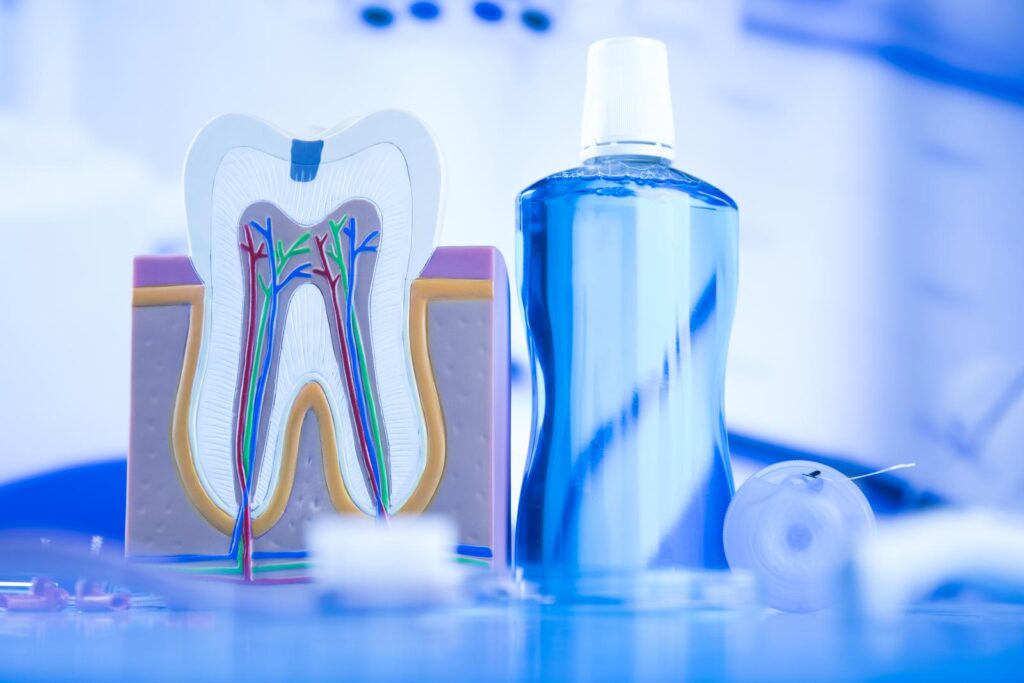
Do not rush your flossing. Curve the floss around the base of each tooth to clear out hidden bacteria. Adding an antimicrobial mouthwash to your routine can also help reduce plaque and keep your breath fresh throughout the day.
19. What Are the Signs of a Cavity?
In its earliest stages, a cavity might not cause any symptoms at all, which is why routine exams are so important. As the decay grows larger, you may begin to notice a mild ache or sudden sensitivity to hot, cold, or sweet foods.
Other common signs include visible dark spots or holes on the surface of your tooth, or a sharp pain when you bite down. If you notice any of these symptoms, schedule an appointment to get the tooth filled before the decay reaches the nerve.
20. When Should I Contact a Dentist Right Away?
You should contact a dentist immediately if you experience severe, unmanageable tooth pain, sudden facial swelling, or heavy bleeding from your mouth. These are clear signs of an active infection or trauma that needs urgent intervention.
Do not wait to see if the pain goes away on its own. Untreated dental infections can spread to other parts of your body. Reach out for emergency dental care so a professional can accurately diagnose the issue and relieve your pain.
If you still have questions about your oral health, we encourage you to explore our FAQ page and browse our Knowledge hub for more detailed information.
Taking the Next Step for Your Smile
Understanding the answers to questions like how often should you see a dentist, is a root canal painful, or what is a dental emergency empowers you to make excellent health decisions. Knowing the differences between a deep cleaning vs regular cleaning and learning how long do dental implants last ensures you are never caught off guard when discussing treatment options.
Utah Dental Center is always happy to answer patient questions and provide personalized dental care in St. George. We are incredibly proud of the trust we have built in the community, earning 4.9 stars from 600+ Google reviews.
Are you ready to achieve a healthier, more confident smile? Please contact the office with your questions, or request an appointment online today.
