
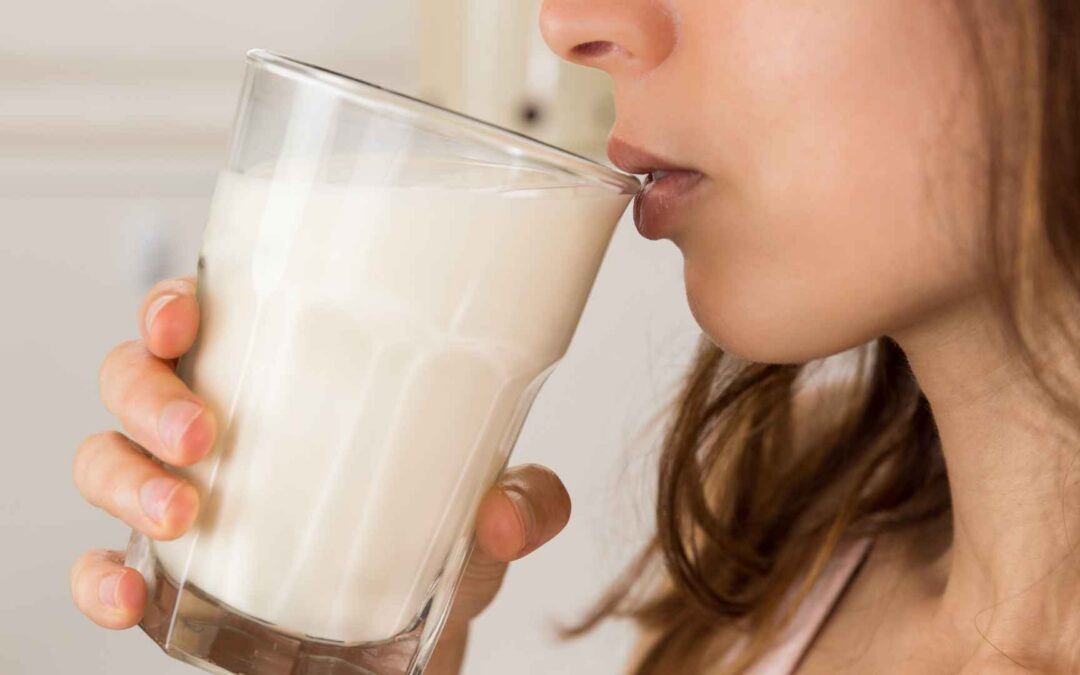
Milk has a reputation as a tooth-friendly drink, and for the most part, that reputation holds up. It contains nutrients that genuinely support enamel strength, and it stacks up well against most other common beverages. That said, milk is not a complete solution on its own, and there are a few nuances worth understanding, especially when it comes to kids and bedtime habits.
Here is what milk actually does for your teeth, how it compares to other drinks, and where plant-based alternatives fit into the picture.
What Makes Milk Good for Teeth
Milk contains calcium and phosphate, two minerals that play a direct role in keeping enamel strong. These minerals support the natural remineralization process, where weakened areas of enamel absorb minerals back from saliva and other sources to stay resilient against acid exposure.
Milk also contains casein, a protein that can form a thin protective layer on the tooth surface, helping to reduce the impact of acid from food and bacteria. Combined with its relatively neutral pH, milk does not contribute meaningfully to the kind of acid exposure that erodes enamel over time.
This combination of minerals and a mild pH is why milk is generally viewed as one of the more tooth-friendly beverage choices available, particularly compared to the alternatives many people reach for instead.
How Milk Compares to Sugary Drinks
The contrast between milk and sugary drinks like soda, juice, and sports drinks is significant. Sugary drinks feed the bacteria in your mouth that produce acid as a byproduct, and many of them are acidic on their own even before that bacterial process starts.
Milk contains natural sugar in the form of lactose, but it does not carry the same acid load or feed bacteria the same way that added sugars in soda or juice do. Frequent sipping on sugary drinks throughout the day is one of the more common contributors to enamel erosion and cavities, while milk consumed at similar frequency does not carry the same risk profile.
This does not mean milk has no sugar content at all, or that it should replace water as a primary daily beverage. It simply means that, relative to sugary drinks, milk is a considerably better choice for anyone concerned about dental health.
Do Plant-Based Milk Alternatives Affect Teeth Differently?
Plant-based milks, including almond, oat, soy, and coconut varieties, vary quite a bit in how they compare to dairy milk when it comes to dental health.
A few things worth knowing about plant-based alternatives:
- Calcium and phosphate content varies widely. Many plant-based milks are fortified with added calcium, but the natural mineral content differs significantly from dairy milk, and not all brands fortify to the same degree.
- Added sugar is common in flavored versions. Vanilla, chocolate, and other flavored plant-based milks often contain added sugar, which brings back some of the same acid-feeding concerns associated with sugary drinks.
- Some contain added acids for flavor or shelf stability. Certain plant-based milks include acidic ingredients that can be more erosive to enamel than dairy milk’s naturally neutral pH.
If dental health is a specific concern, choosing an unsweetened, calcium-fortified plant-based milk is a reasonable way to get some of the same benefits associated with dairy milk. Checking the label for added sugar and calcium content is the most reliable way to compare specific brands.
Practical Tips for Using Milk to Support Dental Health
Milk offers real benefits, but a few habits affect whether those benefits actually translate into better dental outcomes, particularly for kids.
Consider these practical points when it comes to milk and teeth:
- Avoid letting kids sip milk from a bottle or sippy cup right before bed, since prolonged contact with any liquid containing natural sugar, including milk, can contribute to early childhood cavities if teeth are not brushed afterward
- Encourage drinking milk during meals rather than sipping it slowly throughout the day, which limits how long the natural sugars sit on the teeth
- Brush teeth after the last milk of the day, especially for young children whose teeth are still developing
- Treat milk as a beverage choice within a broader daily diet, not as a replacement for brushing, flossing, or routine dental visits
The bedtime bottle habit is one of the more common ways milk’s benefits get undermined. Prolonged, unbrushed exposure overnight gives natural sugars time to interact with bacteria on the teeth, which can lead to decay even though milk itself is a relatively tooth-friendly drink during the day.
Milk Is Part of the Picture, Not the Whole Picture
It is worth being clear that milk supports dental health, but it does not replace the fundamentals. Good enamel strength depends on consistent brushing, flossing, a balanced diet, and regular checkups, not on any single food or drink doing the heavy lifting.
Milk’s calcium and phosphate content is genuinely useful, especially for kids whose teeth are still developing and for adults looking for a dental-friendly alternative to sugary beverages. But drinking milk regularly does not offset skipped brushing, missed flossing, or delayed dental visits.
Regular checkups remain the most reliable way to catch problems early, regardless of how tooth-friendly your daily diet happens to be. Utah Dental Center provides full general dentistry services, including routine cleanings and examinations, to help keep your teeth healthy alongside good daily habits at home.
Frequently Asked Questions
Does milk strengthen tooth enamel?
Milk supports enamel strength through calcium and phosphate, which aid the natural remineralization process. It does not repair a cavity that has already formed, but it does contribute to keeping healthy enamel resilient.
Is milk better for teeth than juice?
Yes, generally. Juice tends to be more acidic and often contains more added or concentrated sugar than milk, which makes it more likely to contribute to enamel erosion and cavities with frequent consumption.
Is almond milk or oat milk bad for teeth?
Unsweetened versions are generally reasonable choices, though they may not offer the same natural calcium and phosphate levels as dairy milk unless fortified. Flavored or sweetened versions carry more of the same concerns associated with sugary drinks.
Should kids drink milk before bed?
It is best to avoid letting a child sip milk right before bed without brushing afterward, since prolonged contact with natural sugars overnight can contribute to cavities. Milk earlier in the evening, followed by brushing, avoids this concern.
Keep Up With Regular Checkups in St. George
Milk is a genuinely tooth-friendly choice compared to many other beverages, but it works best as part of a complete approach to dental health that includes brushing, flossing, and routine visits.
If it has been a while since your last checkup, please contact us to schedule a visit with our St. George team. We can help make sure your daily habits, milk included, are actually supporting your dental health the way you would expect.