
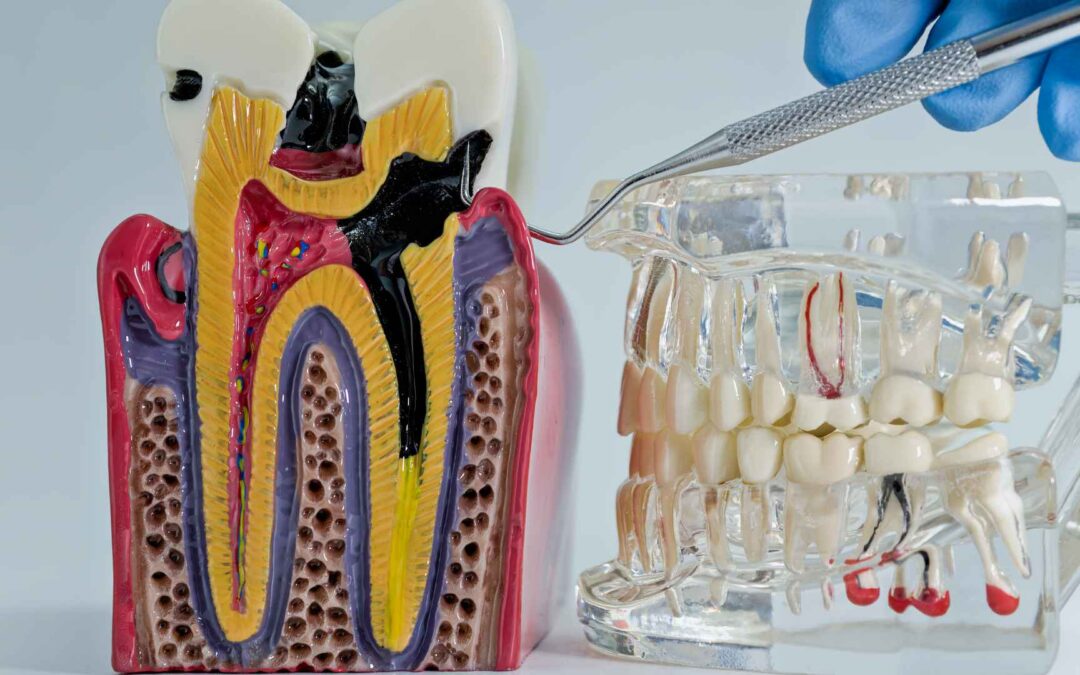
Most people do not suspect a root canal until the pain becomes impossible to ignore. But the signs often show up well before that point, and catching them early gives you more options for treatment.
Root canal symptoms vary from person to person. Some patients feel sharp, constant pain. Others notice mild discomfort that comes and goes for weeks before they schedule an exam. Either way, certain patterns keep showing up that dentists use as warning signals. Here is a breakdown of the seven most common ones.
1. A Persistent Toothache That Does Not Go Away
Most tooth pain has an obvious cause and fades once that cause is addressed. A toothache that lingers for days without improvement is a different situation.
Pain that sits deep in the tooth, often described as a throbbing or pressure sensation, can point to inflammation or infection inside the tooth’s pulp. The pulp is the soft tissue at the center of the tooth that contains nerves and blood vessels. Once that tissue becomes infected, the pain tends to stay rather than ease up on its own.
Constant aching, especially pain that feels like it is coming from inside the jaw or radiating toward the ear or neck, is one of the more reliable signs that the nerve inside the tooth is involved.
2. Sensitivity to Hot or Cold That Lingers
A brief twinge from an ice cold drink or hot coffee is common and does not always signal a problem. What stands out is sensitivity that does not stop after the temperature source is removed.
If the tooth continues to ache for 30 seconds or more after contact with heat or cold, that lingering response often means the nerve inside the tooth is inflamed or damaged. This pattern is different from general sensitivity, which tends to resolve almost immediately.
Hot food and drinks can actually cause more intense discomfort than cold in teeth with infected pulp. If your tooth reacts more strongly to heat than to cold, that is worth noting before your exam.
3. Pain When Chewing or Applying Pressure
A tooth that hurts when you bite down, chew, or press on it often has something going on below the surface. This type of pain happens because pressure transfers through the tooth and onto the inflamed tissue inside or around the root.
Some patients describe this as a sharp pain when biting, while others notice a dull soreness that builds throughout the day as the tooth gets used. Our page on why your tooth hurts when you bite down covers this pattern in more detail, including the range of causes it can point to.
Pain on pressure that does not resolve within a day or two, especially alongside other symptoms on this list, is a reason to get the tooth evaluated.
4. Swelling in the Gum or Face
Swelling near a tooth almost always points to infection. The body sends extra fluid and immune cells to fight bacteria in the area, which causes the tissue to puff up.
Swelling from a dental infection can show up in a few ways. It might appear as a small, localized lump on the gum directly next to the affected tooth. It can also spread to the cheek, jaw, or even the neck if the infection has moved beyond the tooth.
A few swelling patterns to pay attention to:
- A tender, puffy area on the gum that appeared without obvious injury
- Facial swelling that changes the shape of your cheek or jaw
- Swelling paired with warmth in the area, which often signals active infection
- Swelling that gets larger over several days rather than staying the same
Facial swelling from a dental infection can become serious if left untreated. This is one symptom that warrants a prompt call to your dentist rather than a wait-and-see approach.
5. Gum Tenderness Near a Specific Tooth
Sometimes the gum around a tooth feels sore or tender to the touch without any visible swelling. The tissue might look slightly redder than normal, or it might feel sensitive when you run your tongue across it.
This tenderness often comes from infection spreading from the root of the tooth into the surrounding gum tissue. It can feel similar to gum irritation from food getting trapped, but it tends to stick around and is usually concentrated in one specific spot rather than spread across a larger section of gum.
If pressing on the gum near a particular tooth reliably causes discomfort, and that has been the case for more than a few days, it is worth mentioning to your dentist even if the pain feels mild.
6. Tooth Discoloration
Teeth can darken for many reasons, but a single tooth turning noticeably gray, yellow, or brown compared to the teeth around it is a specific pattern that can indicate something is wrong with the pulp inside.
When the nerve tissue inside a tooth becomes damaged or dies, the tooth can gradually change color from the inside out. This discoloration happens because the dying tissue releases compounds that stain the internal tooth structure over time.
A gray or dark tint that develops in a tooth that previously looked normal, especially alongside any tenderness or pain, is a signal worth getting checked. Surface staining from coffee or food tends to affect multiple teeth fairly evenly, while pulp-related discoloration is usually isolated to one tooth.
7. A Pimple or Bump on the Gum
A small bump on the gum that looks like a pimple is called a dental abscess or a sinus tract. It forms when bacteria from an infected tooth finds a pathway to drain through the gum tissue.
This bump can appear and disappear over time, which leads some patients to assume the problem has resolved on its own. It has not. The infection is still active inside the tooth. The bump is simply a drainage point for built-up pressure, not a sign of healing.
These bumps are sometimes painless, which makes them easy to overlook. If you notice one near a tooth that has felt sensitive or sore, photograph it and mention it at your appointment. It gives your dentist useful information about what is happening below the gum surface.
Symptoms Alone Cannot Confirm a Root Canal
Recognizing these signs is an important first step, but they cannot tell you on their own whether a root canal is what you need. Several of these symptoms overlap with other dental problems, including deep cavities, cracked teeth, or gum disease.
A proper diagnosis requires a clinical exam and, in most cases, dental X-rays or other imaging. X-rays show what is happening at the root level and inside the bone, which is where infections and nerve damage are visible in ways a visual exam alone cannot reveal.
Your dentist at Utah Dental Center will use the full picture before recommending treatment.
Does a Root Canal Hurt?
This question comes up in almost every conversation about root canal treatment, and the honest answer is that the procedure itself is far less uncomfortable than most patients expect.
Modern anesthesia makes root canal treatment manageable for the vast majority of patients. The pain that brings most people in is typically the infection, not the procedure used to treat it. Our detailed page on whether root canals are painful covers what to expect before, during, and after treatment.
What Root Canal Treatment Actually Does
A root canal removes the infected or inflamed pulp tissue from inside the tooth. The empty canals are then cleaned, shaped, and sealed. This stops the infection, preserves the natural tooth, and eliminates the source of the pain.
Most treated teeth are restored with a crown after the procedure to protect the remaining structure. The tooth continues to function normally and can last for many years with proper care.
Frequently Asked Questions
Can I wait to see if my symptoms improve on their own?
Dental infections do not resolve without treatment. Symptoms sometimes ease temporarily, but the underlying infection typically continues to spread. Waiting usually allows the problem to worsen and can make treatment more involved.
How quickly do I need to be seen if I have these symptoms?
Mild symptoms can be evaluated at a routine visit, but swelling, spreading pain, or a fever alongside tooth pain should be treated as urgent. These signs can indicate an infection that needs prompt attention.
Can a cavity cause the same symptoms as a root canal issue?
Yes. A deep cavity that has reached close to the pulp can produce sensitivity, aching, and discomfort on biting. Imaging helps distinguish how far decay has progressed and whether the pulp is involved.
Will I need a root canal just because I have one of these symptoms?
Not necessarily. These symptoms indicate that something is wrong with the tooth, but the exact cause and appropriate treatment depend on what an exam and X-ray reveal.
Get Your Tooth Checked in St. George
If you have noticed any of these symptoms, the most useful next step is getting an exam rather than trying to assess the situation at home. An accurate diagnosis gives you a clear answer and a clear path forward.
Utah Dental Center provides root canal treatment in St. George and a full range of general dental services. If something feels off with a tooth, please contact us to schedule an appointment. We will take a proper look and give you straightforward answers about what your tooth needs.