
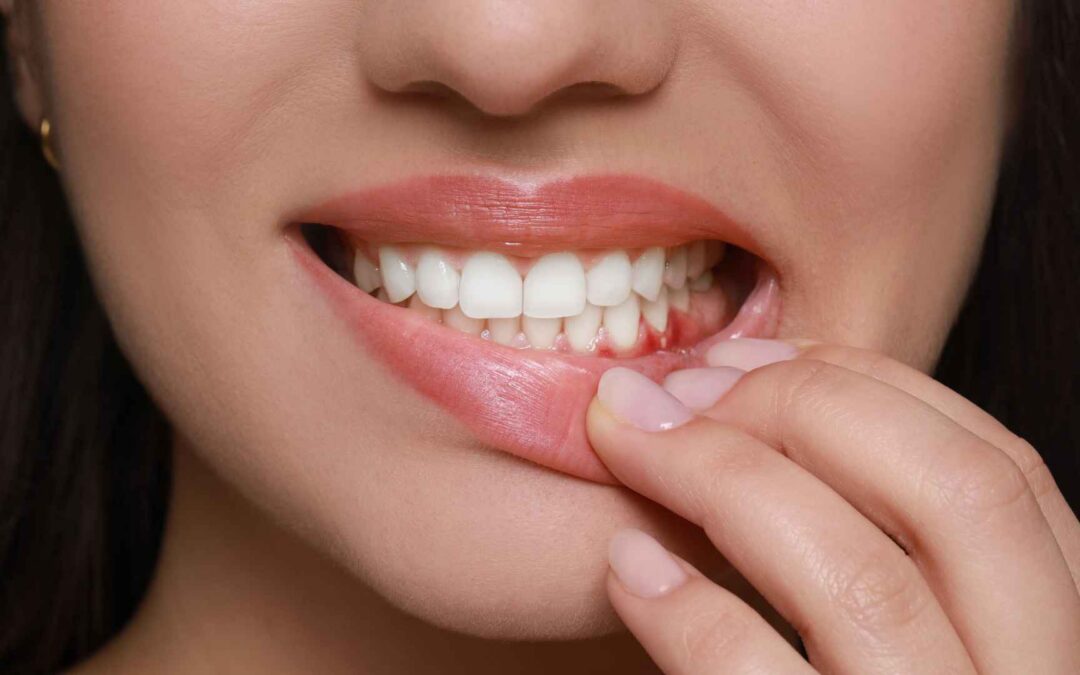
Gum pain without bleeding is more common than most people expect. Bleeding gums tend to get more attention because they are visible, but soreness without any blood is just as worth paying attention to. The absence of bleeding does not mean the gums are healthy.
Several things can cause gum pain, some minor and short-lived, others that need a professional look. Here is a breakdown of the most likely causes and how to know when home care is enough versus when it is time to call your dentist.
Common Reasons Your Gums Hurt Without Bleeding
Gum pain without bleeding usually comes from irritation, pressure, or early tissue changes that have not progressed far enough to cause visible blood. A few causes show up again and again across patients.
Food Trapped Between Teeth or Under the Gumline
A piece of food lodged near the gum can cause noticeable soreness in a very specific spot. Popcorn husks, seeds, and thin meat fibers are common culprits. The pressure and irritation they create can make the gum feel tender for hours.
If the pain is pinpointed to one area and started after eating, gently flossing around the spot is usually the first thing to try. Once the debris clears, the soreness typically fades within a day or two.
Brushing Too Hard or Using the Wrong Toothbrush
Aggressive brushing is one of the most overlooked causes of gum soreness. Hard bristles or too much pressure can scrub the gum tissue and leave it raw and tender, even without causing bleeding every time.
This type of irritation tends to affect a broader area rather than one pinpointed spot. Switching to a soft-bristled toothbrush and reducing pressure often brings noticeable relief within a few days.
Early Gum Problems
Gum disease does not always start with bleeding. In its early stages, the gums can feel sore, puffy, or sensitive before any blood shows up during brushing. The tissue becomes inflamed as bacteria build up along the gumline, and that inflammation is what causes the discomfort.
Our page on periodontal and restorative dental care covers what happens when early gum problems go unaddressed and what treatment typically involves. Bleeding is a common later sign, but pain can appear before it does. If your gums have felt sore for more than a week or two without an obvious cause, early gum disease is worth ruling out at an exam.
Gum Infection or Abscess
An infection in the gum or at the root of a tooth can cause significant pain without producing visible bleeding. A gum abscess forms when bacteria get trapped in a pocket between the tooth and gum, creating pressure and swelling below the surface.
This type of pain often feels more intense than general soreness. It may throb, feel worse when you press on the area, or come with a bad taste in the mouth. A small bump near the sore spot is another sign of a localized infection.
Dry Mouth
Saliva helps keep gum tissue moist and protected. When saliva flow drops, either from certain medications, mouth breathing, or dehydration, the gums can feel dry, irritated, and sore without any inflammation from bacteria.
Dry mouth-related gum soreness tends to feel more like a burning or raw sensation than sharp pain. It often affects a wider area rather than one specific tooth. Drinking more water and using an alcohol-free mouthwash designed for dry mouth can help manage symptoms while you address the underlying cause.
Dental Appliances
Retainers, dentures, mouth guards, and aligners can rub against gum tissue and cause soreness in the spots where they make contact. This is especially common when an appliance is new, has been adjusted, or does not fit quite right anymore.
If your gum pain started or got worse around the same time you began wearing or adjusting a dental appliance, that connection is worth mentioning to your dentist. A small adjustment to the fit can often resolve the discomfort quickly.
What You Can Try at Home First
Not every case of gum soreness needs an immediate appointment. A few simple steps can help identify the cause and ease mild discomfort while you monitor the situation.
Here are some reasonable first steps for mild gum pain:
- Floss gently around the sore area to clear any trapped food or debris
- Switch to a soft-bristled toothbrush and ease up on pressure while brushing
- Rinse with warm salt water two or three times a day to reduce irritation
- Stay well hydrated, especially if dry mouth is a factor
- Avoid sharp or crunchy foods that press directly on the tender area
- Check whether a dental appliance might be rubbing the sore spot
Give these steps three to five days. If the soreness is minor and has a clear cause, it should improve noticeably within that window.
Warning Signs That Need a Dental Appointment
Some symptoms alongside gum pain are a signal to stop waiting and get checked. These patterns suggest something more than mild irritation is going on.
Watch for any of the following:
- Swelling that is getting larger or spreading to the cheek or jaw
- Pus or discharge near the gum or between the teeth
- A fever alongside gum pain, even if the fever feels mild
- Pain that is getting worse instead of staying the same or improving
- A tooth that feels loose or has shifted position
- A bad taste in the mouth that does not go away with rinsing
- Gum soreness that has persisted for more than two weeks without improvement
Any one of these signs warrants a call to your dentist rather than continued home management. A gum infection that spreads is harder to treat than one caught early.
If your gums bleed along with the pain and you want to understand what that pattern means, our article on why gums bleed when brushing covers that topic separately.
Frequently Asked Questions
Can gum pain without bleeding still mean gum disease?
Yes. Early gum disease often causes soreness and puffiness before bleeding appears. Bleeding tends to show up as inflammation advances, so pain without bleeding does not rule out a gum problem.
How long is it okay to wait before seeing a dentist for gum pain?
Mild soreness with an obvious cause, like a piece of trapped food or a new retainer, can be monitored for three to five days. Pain that worsens, persists beyond two weeks, or comes with swelling, pus, or fever should be evaluated promptly.
Can stress cause gum pain?
Stress does not directly injure gum tissue, but it can contribute to teeth grinding and dry mouth, both of which create conditions that make the gums sore. It also weakens the immune system’s ability to manage bacteria in the mouth.
Is gum pain at night different from gum pain during the day?
Pain that feels noticeably worse at night, especially when lying down, can indicate an infection or abscess where pressure builds in the tissue. Nighttime gum pain that keeps you awake or wakes you up is a reason to seek care sooner rather than later.
Get Your Gums Checked in St. George
Mild gum soreness often resolves with a few days of careful home care. But gum pain that lingers, spreads, or comes with any of the warning signs above is worth having a dentist evaluate properly.
Utah Dental Center provides comprehensive general and periodontal dental care for patients across St. George and the surrounding area. If your gum pain has not improved or something does not feel right, please contact us to schedule an appointment. A quick look gives you a clear answer instead of guesswork.