
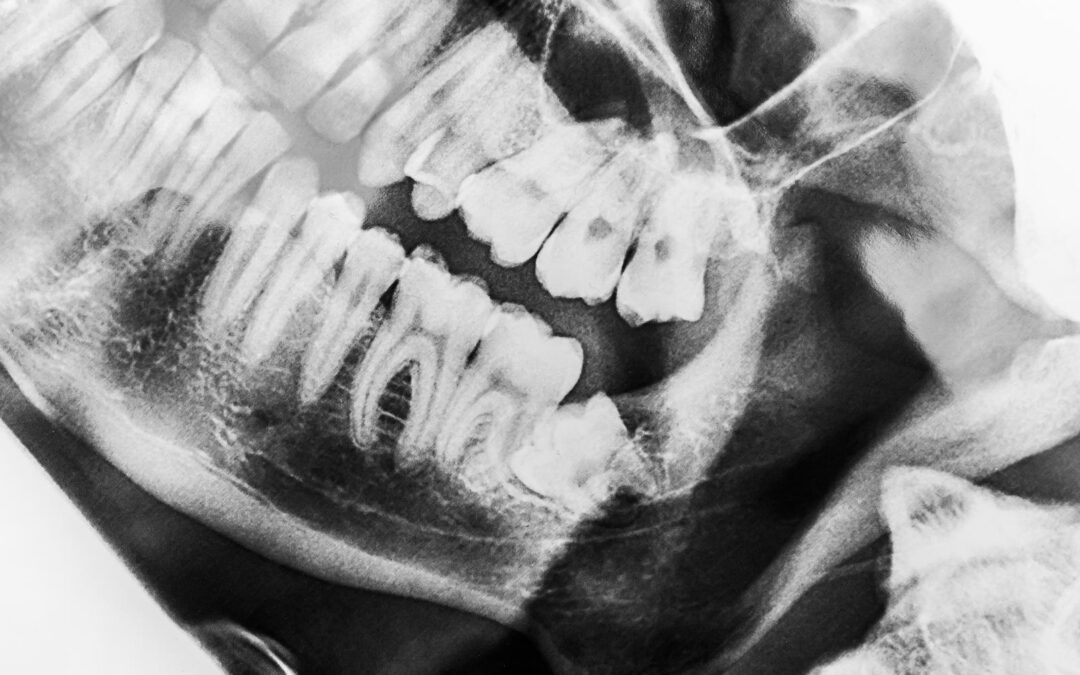
Wisdom teeth have a bad reputation, and honestly, a lot of that fear comes from stories rather than facts. Most people who need them removed go through a routine procedure with a smooth recovery. If you have been putting off a checkup because you are dreading the worst, this guide walks through what actually happens, step by step.
At Utah Dental Center, we see patients every week who are nervous about wisdom teeth. Once they understand the real signs to watch for and what recovery actually feels like, most of that worry fades fast.
Signs Your Wisdom Teeth Might Need to Come Out
Not every wisdom tooth causes trouble. Some come in straight and never bother anyone. But there are a few clear signals that tell you something needs attention.
Here are the most common signs dentists look for during an exam:
- Pain or pressure in the back of your jaw, especially near the molars
- Swelling or tenderness along the gum line behind your last tooth
- Crowding that pushes your other teeth out of alignment
- A tooth that only partially breaks through the gum
- Jaw stiffness or trouble opening your mouth fully
- Recurring bad breath or a strange taste near the back of your mouth
Impaction Is the Big One
Impaction happens when a wisdom tooth does not have enough room to grow in properly. Instead of coming in straight, it gets stuck against the tooth next to it, or it grows sideways under the gum.
This is the most common reason dentists recommend removal. An impacted tooth can trap food and bacteria, which raises your risk of infection and decay in the teeth around it. X-rays during a routine exam usually catch this long before it turns painful.
Crowding and Bite Changes
Sometimes wisdom teeth do not hurt at all, but they still cause problems. As they push forward, they can crowd your other teeth and shift your bite over time.
This kind of shift happens slowly, so patients often do not notice until a dentist points it out. It is one reason routine checkups matter, even if nothing feels wrong yet.
What the Removal Process Actually Looks Like
Once your dentist confirms a wisdom tooth needs to come out, the process itself is more straightforward than most people expect. It falls under general tooth extraction care, similar to removing any other problem tooth.
You can read more about how routine tooth extractions work at our practice, since wisdom teeth follow the same basic approach with a few extra considerations.
Before the Procedure
Your dentist will take X-rays to see exactly how the tooth sits, including its angle and how close it is to nerves or your sinuses. This step matters because it shapes the entire plan for removal.
You will also talk through anesthesia options. Local anesthesia numbs the area completely, and some patients choose sedation for extra comfort during the appointment.
During the Procedure
For a tooth that has already broken through the gum, removal is often quick and similar to a standard extraction. For an impacted tooth, your dentist may need to make a small incision in the gum to access it fully.
Either way, you should not feel pain during the procedure itself. Pressure is normal, but pain signals are blocked by the anesthesia.
Recovery Timeline: What to Expect Day by Day
Recovery from wisdom teeth removal follows a pretty predictable pattern. Most people feel noticeably better with each passing day.
Here is a general breakdown of what recovery tends to look like:
- Day 1: Numbness wears off, and mild swelling or soreness begins. Stick to soft foods and rest as much as possible.
- Days 2-3: Swelling often peaks around this point before it starts to improve. Cold compresses help keep it manageable.
- Days 4-7: Soreness fades quickly, and most patients return to normal eating and daily activities.
- Week 2: Any lingering tenderness should be mostly gone. Full healing of the gum tissue continues for a few more weeks.
Keep in mind that recovery varies based on how many teeth were removed and how impacted they were. A single, simple extraction heals faster than multiple impacted teeth removed at once.
Watching for Dry Socket and Other Complications
One thing we pay close attention to during recovery is dry socket. This happens when the blood clot protecting the healing socket comes loose too early, exposing bone and nerve underneath.
Dry socket usually shows up around day three or four with a sudden increase in pain, often radiating toward the ear. It is uncomfortable, but it is also treatable, and your dentist can manage it quickly if you catch it early.
We cover this topic in more detail in a dedicated guide on dry socket symptoms and treatment, which will be linked here once it is published. Until then, the best prevention is simple: avoid smoking, avoid using straws, and stick to soft foods for the first few days.
Routine Extraction Versus Dental Emergency
A big source of confusion is knowing when wisdom tooth pain counts as routine and when it needs urgent care. The difference usually comes down to speed and severity.
When It Is Routine
Mild, gradual discomfort that builds slowly over weeks is typically routine. This is the kind of case your dentist catches during a normal exam, often before you even feel it. Scheduling a standard tooth extraction appointment is usually all that is needed.
When It Becomes an Emergency
Sudden, intense pain accompanied by facial swelling, fever, or difficulty opening your mouth points to something more serious, like an infection. In these cases, waiting for a routine appointment is not the right move.
If you are dealing with sudden swelling, sharp pain, or signs of infection near a wisdom tooth, our emergency tooth extraction team can see you quickly. You can also learn more about how we handle urgent situations on our emergency dental care page.
Why Waiting Usually Makes Things Harder
A lot of people delay wisdom teeth removal out of nerves rather than necessity. That is understandable, but waiting tends to make the procedure and recovery more complicated, not less.
Impacted teeth do not resolve on their own. Over time, they can lead to infection, crowding, or damage to the roots of nearby teeth. Removing a wisdom tooth earlier, before it causes major problems, usually means a simpler procedure with an easier recovery.
Talk to a Dentist Before You Decide
If you are dealing with jaw pain, swelling, or you just have not had your wisdom teeth checked in a while, it is worth getting an exam. A quick set of X-rays can tell you exactly where things stand, without any guesswork.
Our team at Utah Dental Center is happy to walk you through your options, answer your questions, and help you feel at ease about the process. Please contact us to schedule an exam or ask anything about wisdom teeth removal in St. George. We are here to make the process as smooth and stress-free as possible.