
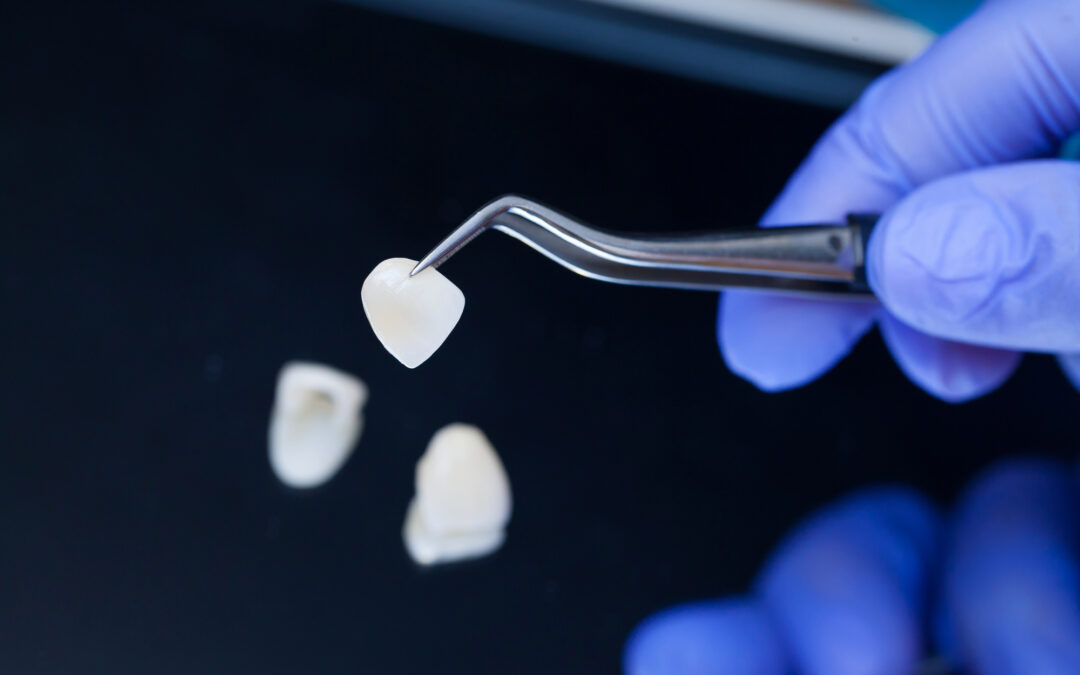
If your dentist recommends a crown, one of your first questions is probably cost. That is especially true if the tooth is cracked, decayed, or painful. Many patients want to know how much does a dental crown cost St. George Utah offices typically charge and what affects that price.
At Utah Dental Center, we believe patients should understand their options before starting treatment. This guide explains typical pricing in St. George, what can raise or lower the cost, and why waiting too long can lead to more expensive care.
What Is a Dental Crown?
A dental crown is a custom cap that covers a damaged or weakened tooth. It restores the tooth’s shape, strength, and appearance while helping protect the remaining natural tooth.
Dentists often recommend crowns for teeth that are cracked, badly worn, heavily filled, or weakened after decay. They can also be used after root canal treatment. If you are comparing options, this guide to dental crowns vs. fillings can help explain when a crown is a better option than a filling.
Average Dental Crown Cost in St. George Utah
There is no one set price for every patient. In general, dental crown costs in St. George range from about $800 to $1,500 per tooth without insurance.
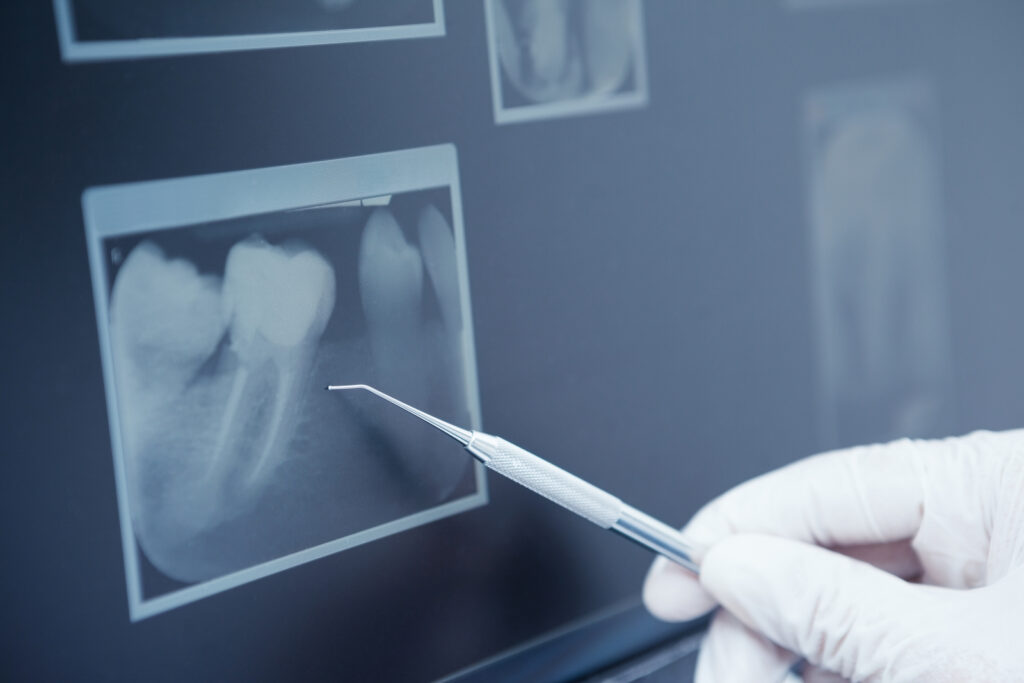
This estimated price typically includes the cost of the crown itself and the procedure to place it. However, it’s important to understand that this may not cover the full treatment process. Additional procedures that may be necessary, such as an initial exam, dental X-rays, a core buildup to support the crown, or a root canal, will increase the total cost.
The final price depends on several key factors, including the condition of your tooth and the material used for the crown. For instance, a severely damaged tooth may require additional preparatory work, increasing the overall cost.
While a crown might seem more expensive upfront compared to other options like a large filling, it is often the most durable and cost-effective long-term solution, especially when a tooth requires significant structural support to function properly and avoid further damage.
What Affects the Cost of a Crown?
Crown Material Types
Material is one of the biggest cost factors. Porcelain and zirconia crowns often cost more than basic metal options because they require more detailed lab work and are designed to look natural. Your dentist will help you choose the material that best balances aesthetics, durability, and your budget.
Location of the Tooth
Front teeth usually need crowns that blend closely with your smile. Back teeth need strength to handle chewing pressure. The tooth’s location can affect which material is best and how much the crown costs. For example, a highly visible front tooth may call for premium porcelain to ensure a seamless match.
Severity of the Damage
A mildly damaged tooth is usually simpler to restore than one with deep decay or a large fracture. The more damage present, the more treatment may be needed before the crown can be placed. Complex cases often require more of the dentist’s time and resources to properly prepare the tooth.
Additional Procedures
Some teeth need more than a crown alone. A buildup may be needed if there is not enough healthy tooth structure left. If the tooth is infected, a root canal may be required first. These added steps increase the overall cost, as they are billed separately from the crown itself.
Does Dental Insurance Cover Crowns?
In many cases, yes. Dental insurance for crowns often provides partial coverage when the crown is needed to restore a damaged tooth.
Crowns are commonly classified as a major restorative procedure. Many dental plans cover around 50% of the cost after deductibles are met, but this can vary significantly by policy. It’s important to understand your plan’s details, as coverage limits, waiting periods, and yearly maximums can affect your out-of-pocket premium. Check if your plan has a missing-tooth clause, which may deny coverage if the tooth was missing before your policy started.
If a crown is done solely for cosmetic reasons, insurance is less likely to cover it since it’s not considered medically necessary. Understanding your benefits is key. The best next step is to have your benefits verified by your dental office before treatment, so you know exactly what to expect.
Why Delaying a Crown Can Become More Expensive
Putting off a crown can lead to a bigger and more costly problem. A cracked or weakened tooth will not repair itself. Over time, decay can spread deeper into the tooth, or the tooth can break further, leading to infection and pain. What may have started as a simple crown could later require a root canal, extraction, or even a dental implant.
In many cases, early treatment is the more affordable option. By addressing the issue promptly, you prevent further damage and avoid more complex procedures. Saving a natural tooth is usually simpler and less expensive than replacing one later.
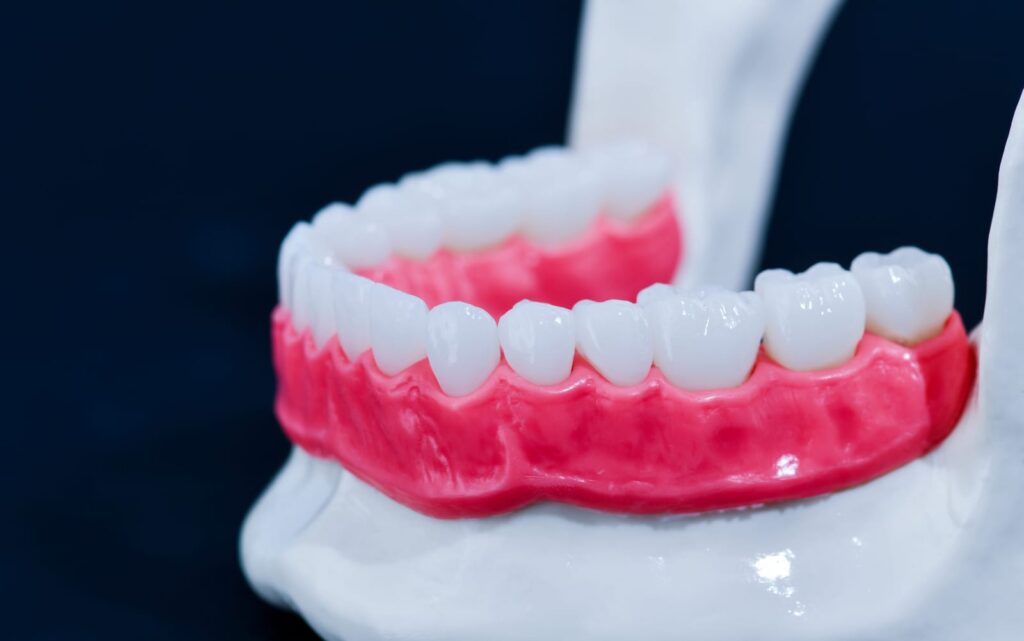
Crown Materials Explained
Your dentist will recommend a material based on the tooth, your bite, and your goals.
- Porcelain: Known for a natural appearance and often used for visible front teeth.
- Zirconia: Strong, durable, and tooth-colored, making it a common choice for back teeth.
- Porcelain-Fused-to-Metal (PFM): Offers a mix of strength and appearance.
- Gold and Metal: Very durable and sometimes used for molars, especially in patients with heavy grinding.
The Dental Crown Process: What to Expect
Getting a crown is typically a two-visit process. Here’s a step-by-step look at what happens:
Visit 1: Preparation and Impressions
- Tooth Preparation: Your dentist will prepare and reshape the tooth that needs the crown.
- Impressions: An impression of your tooth is taken to create a custom-fit permanent crown.
- Temporary Crown: A temporary crown is placed to protect the tooth while your permanent one is being made.
Visit 2: Permanent Placement
- Removal of Temporary Crown: Your dentist will remove the temporary crown.
- Fit and Appearance Check: The permanent crown is checked for a proper fit, a correct bite, and a natural appearance.
- Cementing: Once everything looks right, the new crown is permanently cemented into place.
If you have questions about treatment planning or next steps, you can also visit our general dentistry page.
FAQ Section
How much does a dental crown cost without insurance?
Without insurance, a dental crown typically costs about $800 to $1,500 per tooth. The final price depends on the material used and whether extra procedures are needed.
Are porcelain crowns more expensive?
Often, yes. Porcelain and zirconia crowns are usually priced higher than basic metal crowns because of their appearance and the lab work required.
Does insurance usually cover dental crowns?
Many dental plans cover part of the cost when it is medically necessary. Coverage often falls around 50%, but each plan is different.
How long do dental crowns last?
Many last 10 to 15 years or longer with good home care and regular dental visits.
Is getting a crown painful?
The tooth is numbed during the procedure, so treatment is generally manageable. Some mild soreness afterward is possible, but your dentist can explain what to expect.
What happens if I wait too long to fix a damaged tooth?
Waiting can allow the damage to get worse. In some cases, that can lead to infection, a broken tooth, or the need for extraction and replacement.
Get a Clear Answer for Your Dental Crown Needs
If you’re asking, “how much does a dental crown cost St. George Utah patients?” the final price will depend on the specific tooth, your choice of material, and any additional treatments required. A crown is a vital long-term investment in your oral health, and addressing dental damage early is the best way to prevent more complex problems and higher costs down the road.
Don’t let a cracked, worn, or painful tooth get worse. Contact Utah Dental Center today to schedule your consultation. Our team will walk you through your options, verify your insurance coverage, and create a personalized treatment plan to restore your smile.
Check out our Google reviews, 4.9 stars from 600+ reviews!
